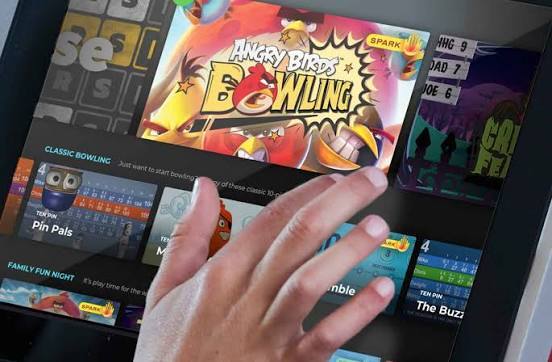
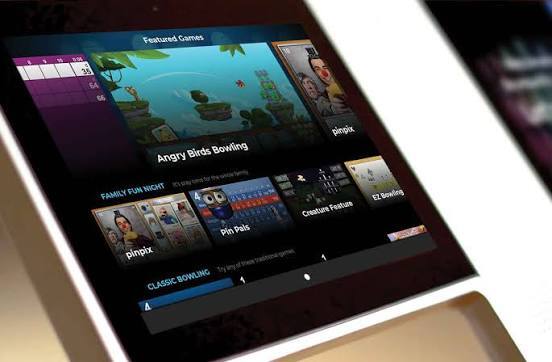
Faster turnarounds and fewer stops, and a group that can pay for another game without leaving the lane. Two extra games a lane a day is a conservative place to start PLUS increased F&B with On Lane Ordering
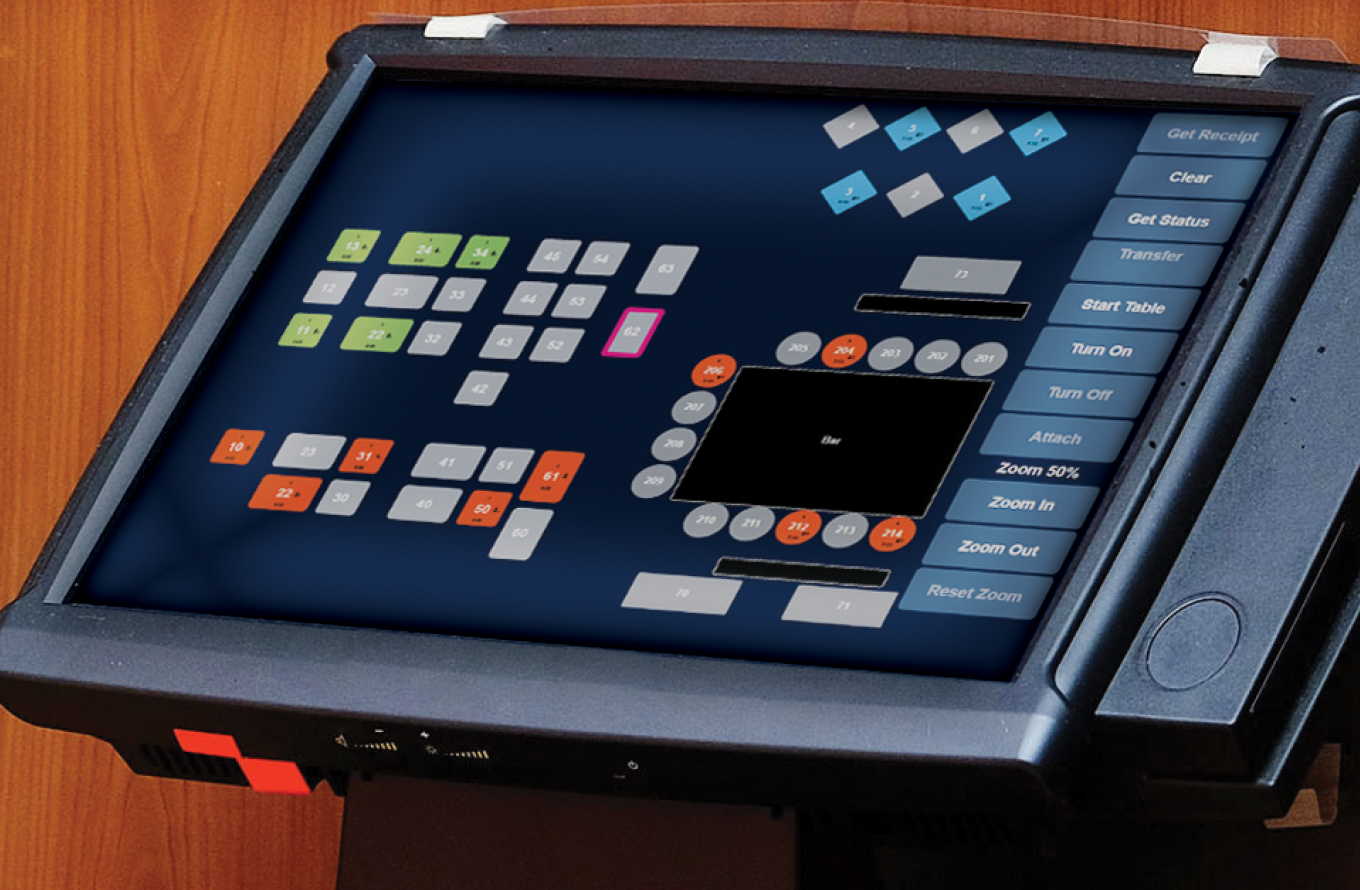
Lane and cash control, ordering and payments in one system. The second round is the one that gets missed when someone has to walk to the counter to buy it. On Lane & Kiosk ordering allows your staff to deliver more ordrers.
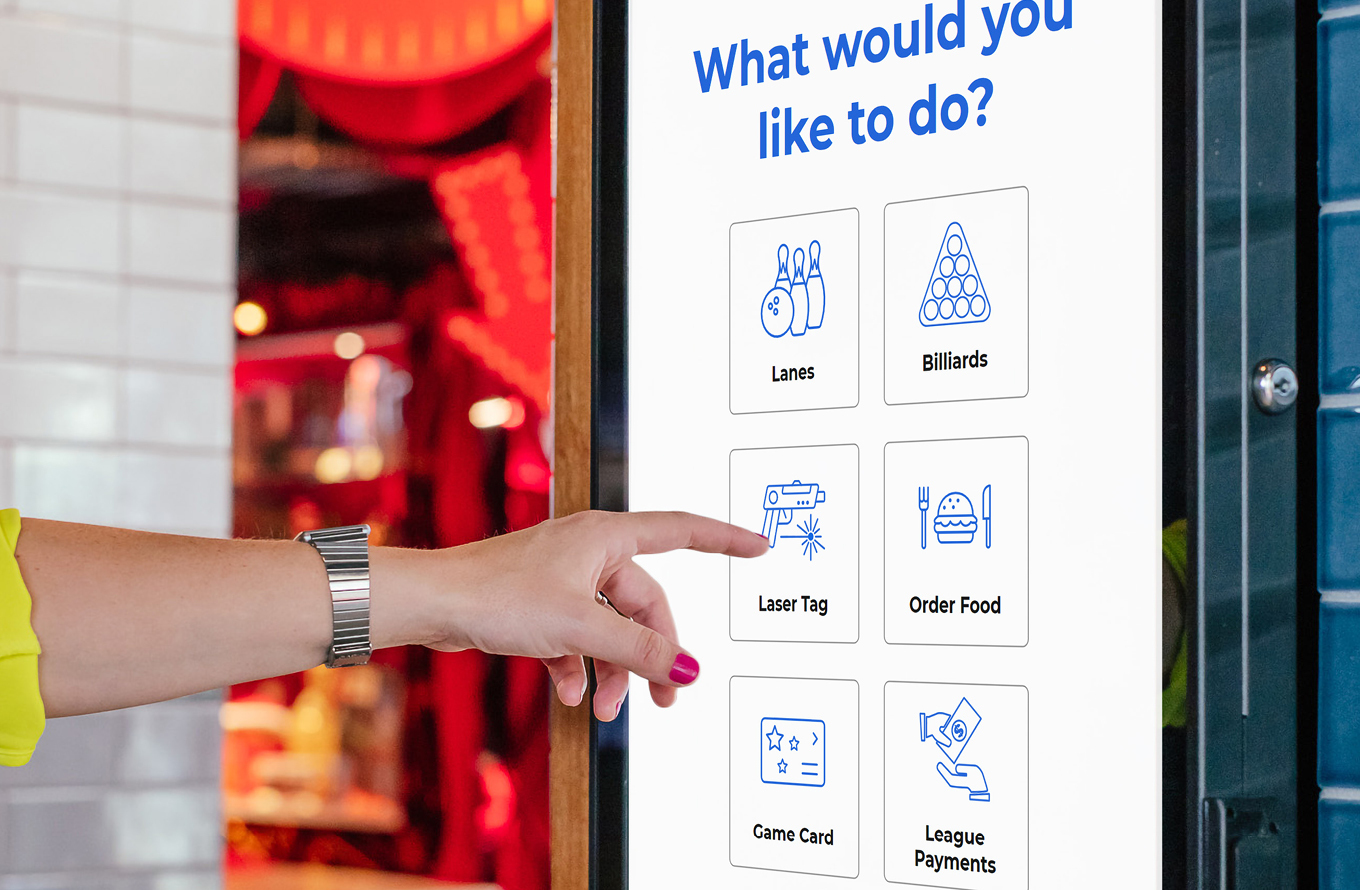
Guests check themselves in, buy a game card and top it up without asking anyone. The queue at the counter stops being the limit on arcade spend.
Everything here is yours to change. Nothing is sent anywhere — the figures stay in your browser.
Games bowled per lane per day, averaged over the whole year — last year’s total games divided by your lane count, then by the days you trade. Your scoring system should report this.
What a game actually earns once packages, discounts and off-peak rates are counted — not your rack rate. Bowling revenue divided by games bowled.
What the bar and kitchen take, as a share of bowling revenue. If bowling runs a million and food and beverage runs a quarter of that, enter 25.
Arcade, redemption and any other attractions, again as a share of bowling revenue. Leave it at zero if you have none.
How many more games a day do you think each lane will run once Sync is in? We recommend a conservative 1 — faster turnarounds, fewer stops and groups who can pay for an extra game without leaving the lanes.
A kiosk lifts bowling, arcade and food and beverage — guests check themselves in, buy game cards and top them up without queueing. The first kiosk does most of the work.
A visible upgrade is the moment a price rise lands without argument — new scoring on every lane is the reason customers accept it.
These are South Pacific Bowling’s planning estimates, not promises. Change any of them and the figures update as you type.
Ordering and paying at the lane means the second round actually gets bought. Bowling is not in here — that is the extra games figure you entered above.
On top of the extra games you entered above. Guests who check themselves in start sooner and add a game without queueing.
Ordering from the kiosk while they wait, instead of only at the counter.
Game cards bought and topped up at the kiosk, rather than asked for at the desk.
Close to all of it. The lane, the staff and the lights are paid for already, so an extra game costs you very little.
After cost of goods. Put your own gross profit in if you know it.
After tickets, prizes and card costs.
| Today | Uplift | Added a year | |
|---|---|---|---|
| Bowling revenue | — | — | — |
| Food & beverage | — | — | — |
| Arcade & attractions | — | — | — |
| Price increase | — | — | — |
| Added revenue (incl. GST) | — | — | — |
| Kept after cost of goods (ex GST) | — | — | — |
The first three are savings this page does not count, so the real return is better than it looks. The last is a cost it does not count, so the real investment is a little higher.
The bowling uplift is games, not a percentage. It is the extra games you expect each lane to run, priced at your own game rate. We have not picked a percentage on your behalf.
A price increase is your decision, not ours. Where you have said you intend one it is counted as extra bowling revenue. You could pursue it without the upgrade — but a visible upgrade is what makes it stick.
This is a planning model, not a forecast or a quotation. It holds visitor numbers flat and asks only what the same guests spend. Retail figures are GST-inclusive; any investment figure and the payback are ex GST.
The figures above are revenue — they stand on their own. If South Pacific Bowling has quoted your centre, enter that number here and the page works out how long the upgrade takes to pay for itself.
Enter an investment figure to see the payback, the five-year position and how the numbers hold up if the uplift lands at half of what you have assumed.
| Today | Uplift | Added a year |
|---|
The bowling uplift is the extra games you expect each lane to run, priced at your own game rate. A price increase, where entered, is counted as extra bowling revenue — it is revenue you could pursue without the upgrade, but a visible upgrade is what makes it stick. This is a planning model, not a forecast or a quotation. It holds visitor numbers flat and asks only what the same guests spend. Retail figures are GST-inclusive; any investment figure and the payback are ex GST. Excluded from the model: counter labour freed up at peak, any difference in merchant rates, and the parts, service calls and lost lane hours on the system being replaced — each would improve the return; freight and any building or electrical work, which would add to the investment.